In an industrial landscape driven by innovation, silicone stands out as a material of unmatched adaptability. Its ability to maintain stability under intense thermal stress, coupled with exceptional flexibility and resistance to chemical wear, positions it at the forefront of industries ranging from aerospace to medical devices. Yet, a pivotal question arises: what is the thermal breaking point of silicone? Unraveling this threshold is crucial for engineers and designers aiming to push the boundaries of performance and reliability in high-temperature environments.
In the quest to engineer for extremes, understanding the limits of materials like silicone is not just a technical challenge—it’s the key to unlocking the future of innovation.
The Science Behind Silicone’s Heat Resistance
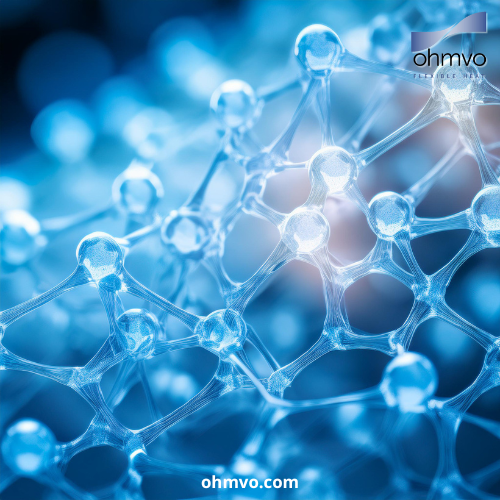
Silicone, also known as polysiloxane, is a synthetic polymer composed of repeating units of siloxane (−Si−O−Si−) interspersed with organic groups such as methyl or phenyl. This unique structure grants silicone its exceptional heat resistance. The silicon-oxygen backbone provides thermal stability, while the organic groups allow for flexibility and adaptability in extreme conditions.
 The Science Behind Silicone’s Heat Resistance – ohmvo.com
Key Properties Enabling Thermal Stability
- High bond energy: The silicon-oxygen bond in silicone has a bond energy of approximately 451 kJ/mol, significantly higher than the carbon-carbon bond in organic polymers, which is around 348 kJ/mol. This makes silicone more resistant to thermal degradation.
- Low thermal conductivity: Silicone’s low thermal conductivity helps it maintain its properties even when exposed to rapid temperature fluctuations.
- Resistance to oxidation: Unlike many organic materials, silicone does not readily oxidize at elevated temperatures, which further extends its usability in high-heat environments.
Understanding Temperature Ratings
Silicone’s heat resistance is often quantified using two key metrics:
- Continuous Use Temperature (CUT): The maximum temperature at which silicone can operate without significant degradation over extended periods.
- Peak Temperature Tolerance: The upper temperature limit that silicone can briefly withstand without catastrophic failure.
Standard Grade vs. High-Performance Silicone
- Standard-grade silicone elastomers typically have a CUT of around 200°C (392°F) and can endure peak temperatures up to 230°C (446°F).
- High-performance silicones, such as those reinforced with phenyl groups, can achieve CUTs of up to 300°C (572°F) and withstand peak temperatures of 350°C (662°F) or higher.
Industrial Applications and Heat Resistance
Automotive Industry
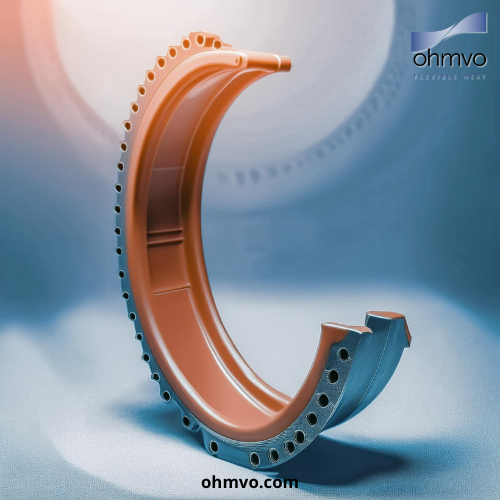
In automotive applications, silicone’s thermal stability is critical for components like gaskets, seals, and hoses, which must endure temperatures ranging from −40°C (−40°F) to over 200°C (392°F) in internal combustion engines. Silicone’s resistance to oil and coolant exposure further enhances its performance in these high-heat environments.
Aerospace and Aviation
In aerospace, silicone is often employed in thermal insulation systems, sealants, and vibration-damping materials. Aircraft components experience temperatures as high as 315°C (599°F) during re-entry or when subjected to prolonged engine operation. High-performance silicone formulations ensure reliability in these conditions, preventing material failure that could compromise safety.
 Industrial Applications and Heat Resistance – ohmvo.com
Electronics and Power Systems
Silicone’s dielectric properties, combined with its heat resistance, make it indispensable in electronic applications. For instance, silicone-based thermal interface materials (TIMs) are used to dissipate heat from CPUs and power modules, which can reach temperatures exceeding 150°C (302°F). Advanced silicone TIMs can perform at temperatures close to 300°C (572°F) without losing their effectiveness.
Industrial Furnaces and Molding Applications
In manufacturing, silicone is used in molds and seals for processes requiring exposure to extreme heat, such as metal casting or high-temperature curing. Specialized silicone rubbers can withstand prolonged exposure to temperatures around 250°C (482°F) without significant deformation or loss of mechanical properties.
Thermal Degradation: When Silicone Meets Its Limits
Despite its impressive thermal stability, silicone is not impervious to degradation. At extreme temperatures, the material undergoes both physical and chemical changes, such as:
- Volatilization: Silicone oils and low-molecular-weight components may evaporate, leading to weight loss and reduced flexibility.
- Crosslinking or Scorching: Excessive heat can cause over-curing, making silicone brittle and prone to cracking.
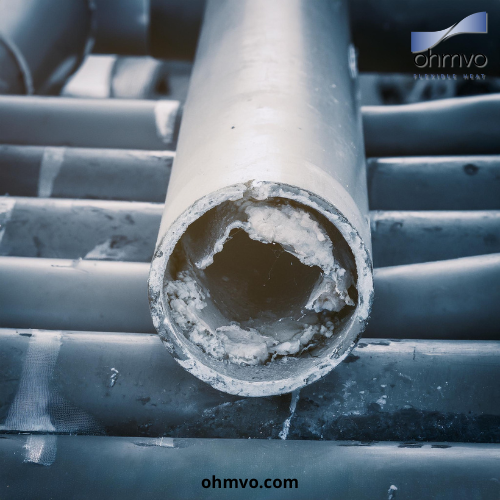
- Oxidative degradation: At temperatures exceeding 300°C (572°F), oxygen may interact with the organic groups in silicone, causing discoloration and loss of mechanical properties.
Factors Influencing Thermal Limits
Several factors determine how well silicone performs under heat stress:
- Composition: The addition of phenyl or fluoro groups enhances heat resistance.
- Environment: Exposure to oxygen, moisture, or chemical contaminants can accelerate degradation.
- Duration: Short bursts of high heat are less damaging than prolonged exposure at moderate temperatures.
 Factors Influencing Thermal Limits – ohmvo.com
Innovative Approaches to Pushing Silicone’s Thermal Limits
Advances in material science continue to enhance silicone’s thermal capabilities. Researchers and manufacturers are exploring innovative solutions to extend the material’s performance envelope:
1. Nanotechnology
Incorporating nanoscale fillers, such as silica or graphene, into silicone formulations can improve heat resistance and mechanical strength. These nanocomposites exhibit enhanced thermal stability, making them ideal for applications in harsh environments.
2. Crosslinking Modifications
Optimizing the crosslinking chemistry during silicone synthesis can improve the polymer’s resistance to thermal degradation. For example, peroxide-cured silicones often exhibit higher thermal limits compared to platinum-cured alternatives.
3. Hybrid Materials
Combining silicone with other high-temperature-resistant polymers, such as polyimides or fluoropolymers, creates hybrid materials with superior thermal properties. These hybrids are particularly useful in aerospace and automotive applications where extreme heat and mechanical stress coexist.
Testing Silicone’s Thermal Limits
Determining the precise thermal limits of silicone involves rigorous testing protocols, including:
- Thermogravimetric Analysis (TGA): Measures weight loss as a function of temperature, providing insights into decomposition points.
- Differential Scanning Calorimetry (DSC): Identifies phase transitions, such as glass transition or melting points.
- Accelerated Aging Tests: Simulate prolonged exposure to high temperatures to evaluate long-term performance.
- Mechanical Testing Post-Heat Exposure: Assesses changes in tensile strength, elongation, and elasticity after thermal cycling.
These tests ensure that silicone formulations meet the stringent demands of industrial applications, delivering consistent performance even under extreme conditions.
The Trade-Offs of Enhanced Heat Resistance
While improving silicone’s thermal properties is beneficial, it often comes with trade-offs. For example:
- Cost: High-performance silicone formulations with advanced fillers or hybrid materials are more expensive than standard grades.
- Processability: Enhanced heat-resistant silicones may require specialized curing conditions or longer processing times.
- Mechanical Properties: Some modifications to improve heat resistance can reduce flexibility or increase brittleness.
 The Trade-Offs of Enhanced Heat Resistance – ohmvo.com
Balancing these trade-offs is essential for selecting the right silicone grade for specific applications. Engineers must weigh the material’s thermal performance against other critical factors, such as cost, mechanical requirements, and environmental conditions.
Silicone That Defies the Heat
The maximum temperature silicone can endure depends on its formulation, application, and environmental conditions. With continuous innovations in material science, silicone’s thermal limits are steadily expanding, enabling new possibilities for industrial applications.
For industries where reliability in extreme heat is non-negotiable, silicone remains a cornerstone material. By understanding its thermal capabilities and leveraging advancements like nanotechnology and hybrid materials, engineers can push the boundaries of performance.
Discover OHMVO’s Heat-Resistant Silicone Solutions
Are you ready to optimize your operations with high-performance silicone that thrives under pressure? Explore OHMVO’s range of cutting-edge silicone products, meticulously designed to withstand the most demanding industrial environments. Discover more here and elevate your applications to the next level !